
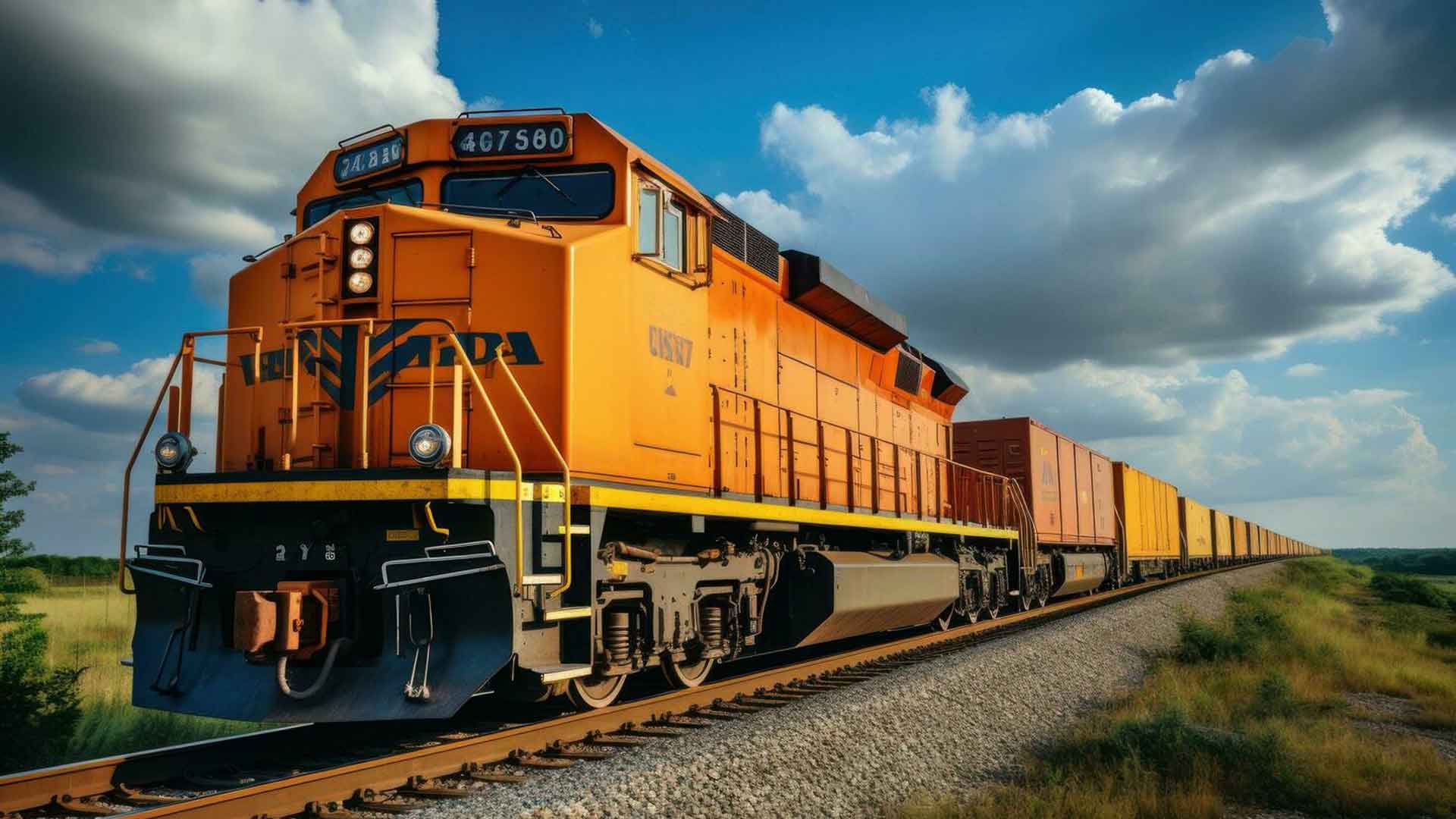
Rail Freight
Rail Transportation
Delivering integrated logistics and forwarding services focusing on rail transport, in order to serve the interests of customers with an emphasis on promoting continued productivity, market development and using innovative solutions.
We are committed to provide professional, safe, fast, flexible and cost-effective services in domestic and regional markets with our international partnerships.
Rail transportation consistently draws the attention of business owners and owners of commodities because of its consistent and hereditary qualities, including increased carrying capacity and safety aspects, reduced energy consumption, less environmental pollution, and cheaper costs.
It was obvious that railroads would play a part in the growth of the economy and the prosperity of agriculture, particularly in terms of national output and export. Today, most big industrial enterprises have railway branch lines inside of them in addition to linking ports and mines to rail networks. They have decided to use this transportation to connect to the nation’s export frontiers and raw material supply hubs.
Iran currently has 10,460 kilometers of railway lines that were built over the course of 100 years. Iran has a unique geographical location so that it can easily be the communication route between Europe and the Far East.
Wagon Types:
The cargos are transported by the railways using various types of rolling-stock. Depending on the kind of cargo, body structure, loading and unloading methods, and how the cargos are secured there are the following types: covered wagons, open-top wagons, flat wagons, tank wagons, dumping wagons, hopper-shaped wagons, and refrigerator wagons.
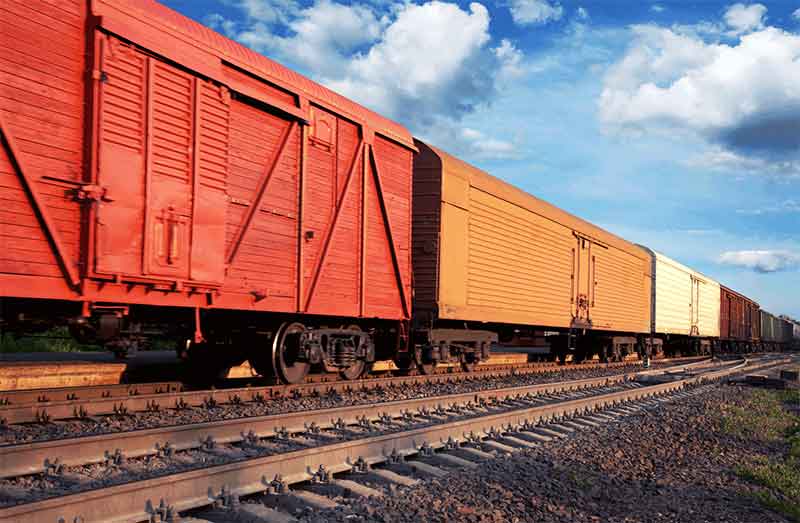
Covered Wagon
A covered freight wagon or van is a rail freight wagon completely enclosed by sides and a fixed roof as it is designed for the transport of moisture sensitive freight. covered wagons are used for transportation of goods against rain, snow, sun, and transporting commodities that are valuable and subject to pilferage.
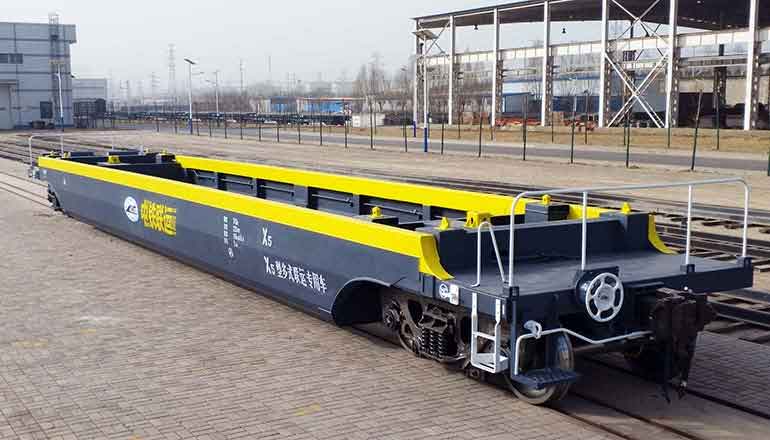
Flat Wagon
RYKA Logistics offers a great range of flat wagons of different types. Their open construction makes them ideally suitable for goods that are not sensitive to adverse weather conditions. Depending on the type, various types of stanchions are fitted to lock and secure the freight. Some wagons are specifically designed for one single type of good.
Transportation of piece goods: e.g. bulkheads, railways construction material (ties, rails, turnout parts, etc.), pipes, coils, machines, bars, billets, steel plates, wood (log and timber).
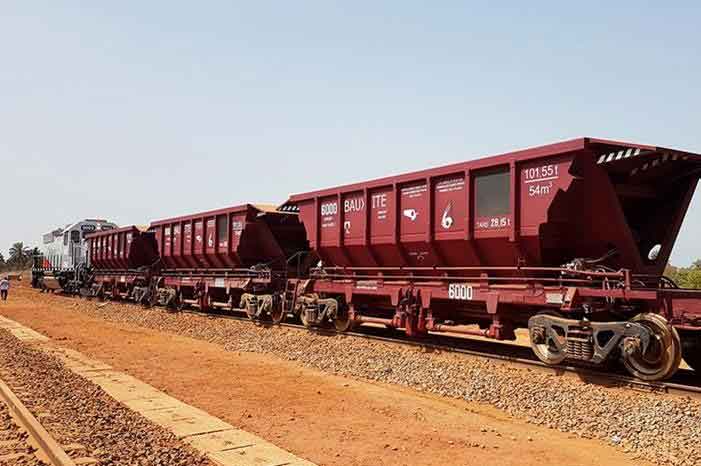
Low Side & Open Top Wagon
Open wagons can be used to transport weather-resistant bulk materials along with wooden and steel structures. The wagon’s body shape is mostly a cuboid box without the top cover. The side plates of the wagon body have side doors that can be opened to facilitate the unloading of goods.
Low Side and Open wagons are mainly used to transport coal, ore, mineral materials, wood, steel, and other bulk goods, and can also be used to transport mechanical equipment. With the help of tarpaulin or other awnings, they can replace boxcars to carry goods that need protection against rain or sunlight. Low Side and Open wagons have great versatility and composite the most part of railway freight trains.
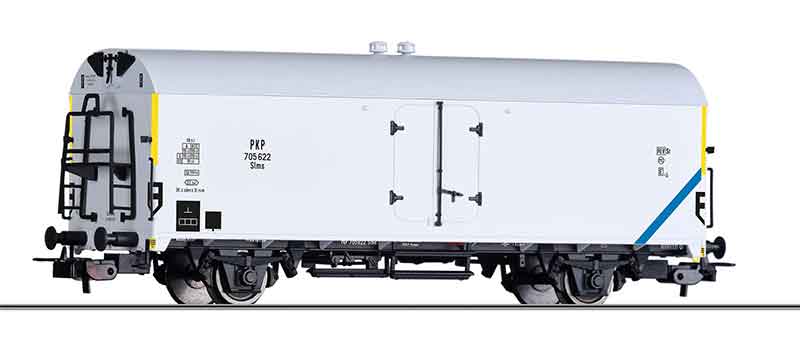
Refrigerated wagon
The refrigerated (or “reefer”) wagon is used to carry goods for which temperature maintenance is required for safety. Possible temperature support from +14 to -20 degrees.
In most cases, refrigerated wagons are transported in groups of 4 or 5 wagons and where 1 wagon is used for temperature support equipment and personnel supervising this equipment. There are also autonomous single-wagon reefers, but their number in the fleet of shared wagons is very small.
There are two points for reefer wagons:
One is for the critical temperature. For the items being transported inside the container, the refrigeration temperature must be adjustable and controlled according to the storage temperature of the items.
The second one is the ventilation. There are many fruits and vegetables that constantly release gases and moisture and the gases would spoil the cargo if the ventilation is not efficient circulated in the right way.
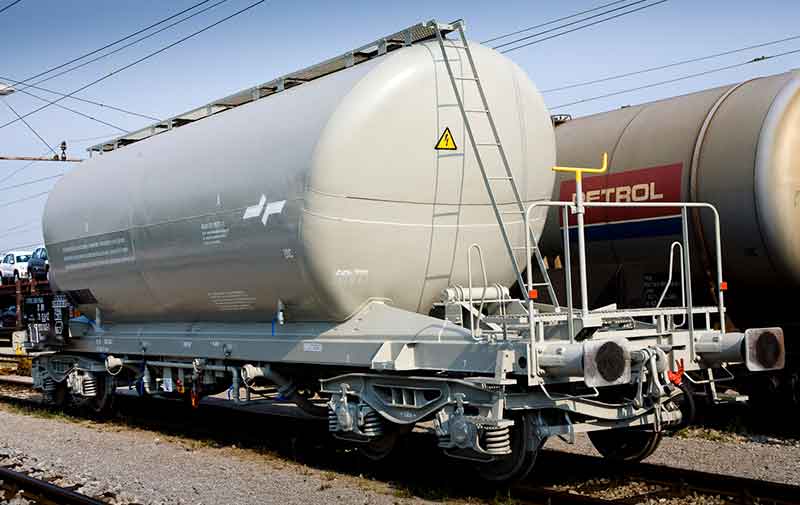
Powder / Tank wagon
These wagons are used for goods that are so finely granulated that they cannot be poured, meaning they cannot be unloaded via gravity discharge. In tank wagons fluids transportable without overpressure and white goods – petrol, diesel oil, solvent etc. – may be transported.
The powder wagon is a special form of bulk goods wagon designed to transport goods in powder form. These wagons are pneumatically unloaded, usually by using compressed air. For goods that might react with oxygen in the compressed air, nitrogen is used instead.
In which cases is Rail Transport the best option?
Rail freight transportation is one of the most common and reliable modes of transportation – low freight transportation costs and high-quality delivery.
It is the cheapest, the most reliable and the safest means of transport which does not depend on the Shipping freight by rail may be less expensive if your freight is near a rail head at both the point of pickup and delivery point. Rail freight is also most economical when you are shipping large and heavy freight.
We can provide rail and expediter services from entrance borders of Iran to many different territories.